

Pre-Launch of SuperSurvivors: Stage 5

Curt Pesmen of BoCo Media partners with nonprofits to turn cancer research and patient stories into content that moves people to act — and this February, that work took center stage in San Francisco. UCSF hosted the pre-launch of SuperSurvivors: Stage 5 at San Francisco City Hall, part of a kickoff gathering for Colorectal Cancer Awareness Month on the steps where the city has marked the cause in past years.
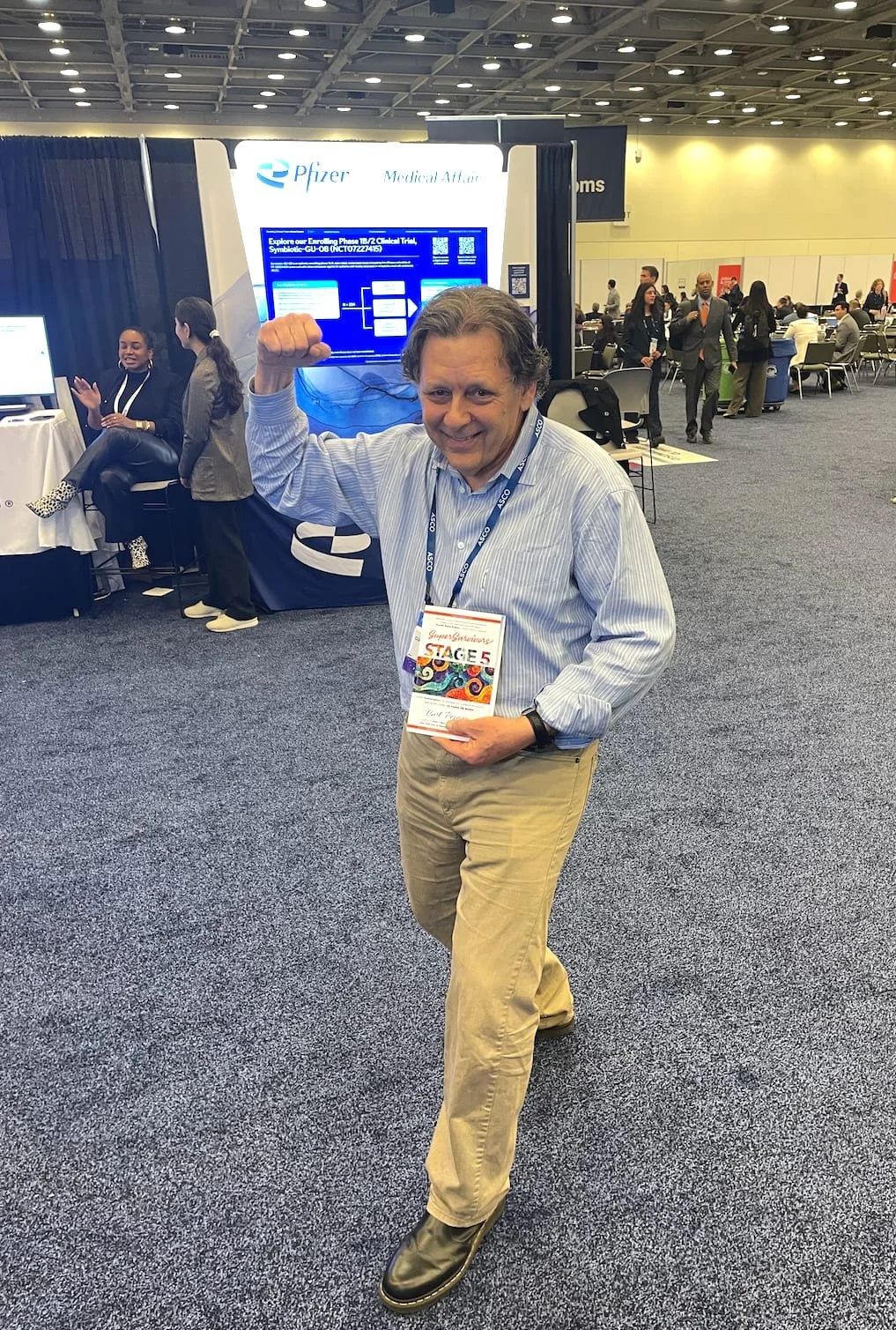
It's the kind of moment Pesmen has spent a career building toward.
A former story editor at SELF, Esquire, and Sport, and author of seven books, he brings a journalist's instinct for narrative to health advocacy — including medical feature writing, pharma video projects, and sustained advocacy work (writing, speaking, and lobbying) for Fight Colorectal Cancer, alongside an invitation to AACR's Scientist↔Survivor Program. For organizations like CPRIT, working to prevent and treat cancer across Texas, that track record is what makes a partnership land: someone who can carry the science and the survivors' stories into the room, and make people listen.
Whatever it is, the way you tell your story online can make all the difference.

Guardant
Curt Pesmen of BoCo Media partners with health and oncology organizations to turn clinical progress into stories patients and providers actually connect with. A former story editor at SELF, Esquire, and Sport, and author of seven books, Pesmen brings a journalist's eye for narrative to complex medical content. His work spans medical feature writing, pharma video projects, and hands-on advocacy — writing, speaking, and lobbying for Fight Colorectal Cancer, plus a seat at AACR's Scientist↔Survivor Program. For a precision oncology company like Guardant Health, that's a partner who can translate cutting-edge diagnostics into stories that reach patients where they are.

Cancer Prevention & Research Institute of Texas

Curt Pesmen of BoCo Media partners with nonprofits to turn cancer research and patient stories into content that moves people to act. Drawing on his years as a story editor at SELF, Esquire, and Sport, plus authorship of seven books, he brings a journalist's instinct for narrative to health advocacy. His work includes medical feature writing, pharma video projects, and sustained advocacy — writing, speaking, and lobbying — for Fight Colorectal Cancer, alongside an invitation to AACR's Scientist↔Survivor Program. For nonprofits like CPRIT working to prevent and treat cancer, that's a partner who can make the science and the survivors' stories land.
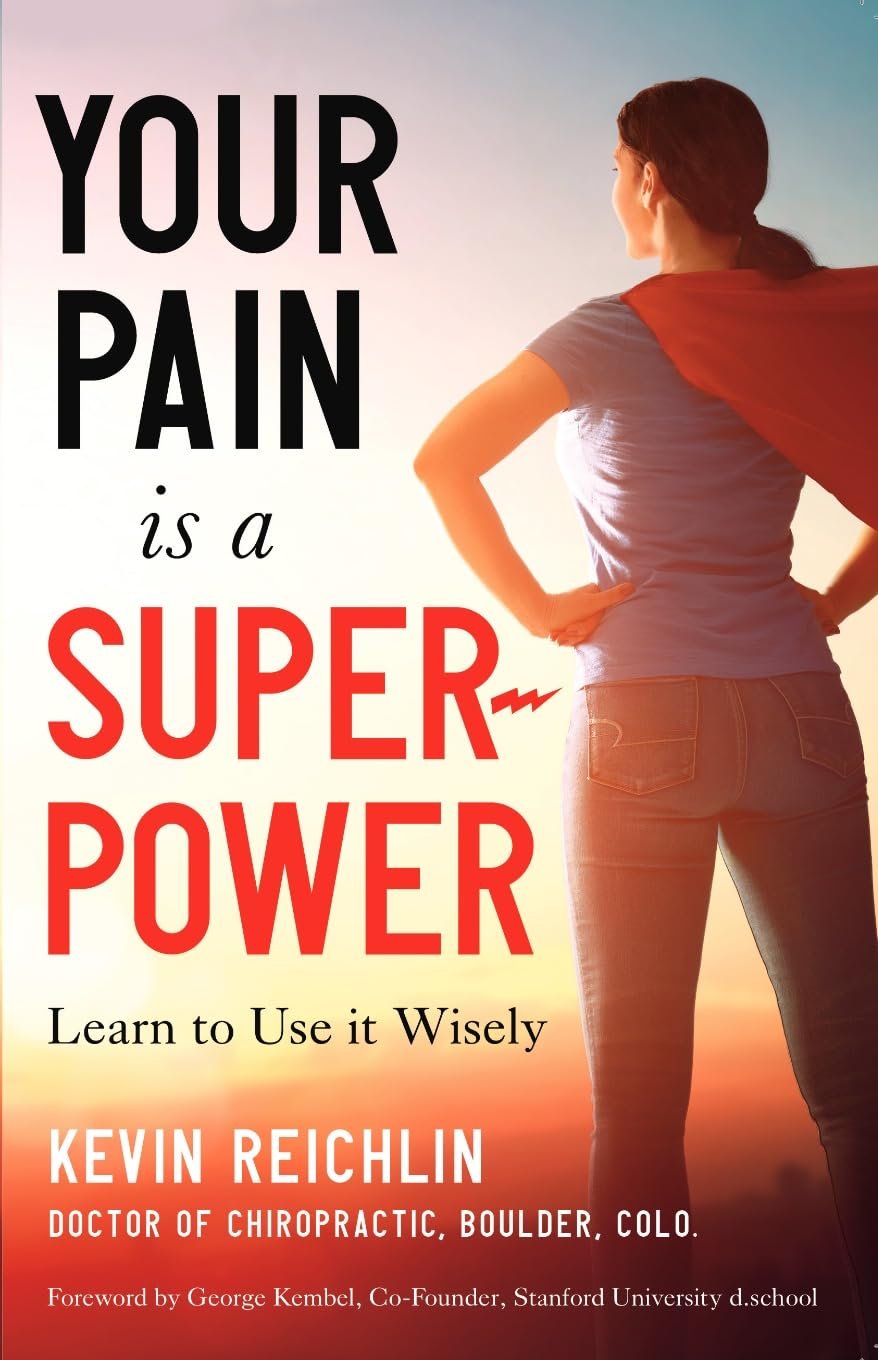
Your Pain is a SuperPower
Your Pain is a SuperPower: Learn to Use it Wisely
Your Pain is a Superpower: Learn to Use it Wisely by Kevin Reichlin
"Reading this book is part of our collective future of medicine. It's like sitting down with Dr. Reichlin in his office, on the edges of your own healing journey." —George Kembel, Co-Founder, Stanford University d.school
IT TAKES MORE THAN standard measures to understand pain—and put it in its place. In Your Pain is a Superpower, Dr. Kevin Reichlin offers creative pathways and newfound mind/body measures (including lasers) for painkilling, management and healing. Informed by 35+ years of clinical experience, this book shares key strategies with honest and non-technical language. Author Reichlin honestly helps readers accelerate their specific healing progress.
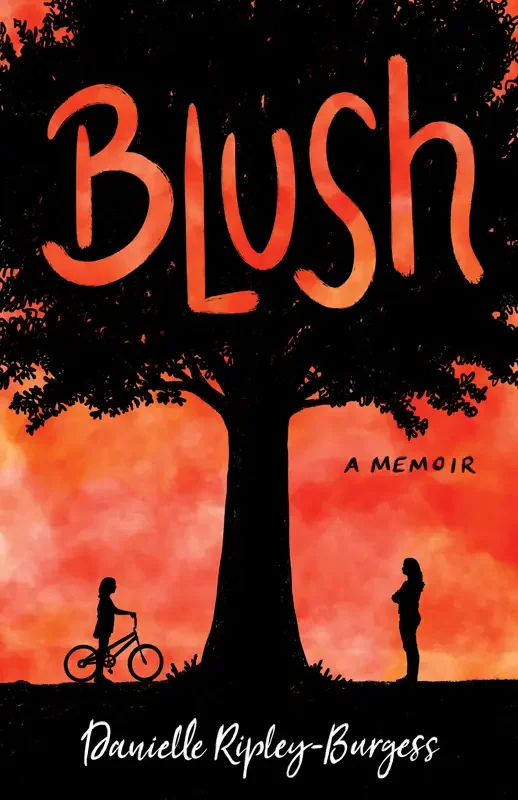
Blush
Blush
Blush! by Danielle Ripley Burgess
NOBODY SAID growing up is easy. For Danielle, the safe suburbs of Kansas City always felt warm. Inviting. But one day, everything changed. Not only did she hate what puberty was doing to her body, she had spotted a few scary specks of blood after going number two. Gross. As an insecure tween who blushed during ''the talk,'' one who refused to buy toilet paper at the store, nobody could know her little secret. So she hid it from everyone--Mom, Dad, her brother, and her friends. This went on ... for years.
Busted. Eventually, her secret came out. Danielle was rushed to the doctor and into a colonoscopy. Shock took over when she was diagnosed with a rare colon cancer (something the internet called an ''old man's disease'') just a few weeks after her seventeenth birthday. Seriously!?
High school mornings in classrooms morphed into nightmare days in cancer-center waiting rooms. Yet Danielle stayed hopeful, even grateful, for her illness. The way she saw it, fighting cancer spiced up her otherwise-boring testimony. And it brought her true love. Not until she heard the dreaded ''It's cancer'' again at age twenty-five did she start to resent so much suffering and question her faith. Yet Danielle wasn't about to stop. From Times Square to the White House, she became an outspoken survivor by starting a blog, as well as a young wife and a mom. Eventually, she found the self-acceptance she'd been looking for--it was guided by a still, small voice that had been with her all along.
In this soul-baring memoir, Blush: How I Barely Survived 17, Danielle reminds us that growing up is never easy, and she shows us how to go head to head with God. With out-of-body wisdom beyond its years, Blush beautifully inspires us to accept our imperfections and embrace every season of life.

My Sister Liv
From Grammy Award winning Director Alan Hicks and Academy Award winning Producer Paula DuPré Pesmen, MY SISTER LIV is a feature documentary following the inseparable sisters Tess and Liv. Liv is a young girl growing up with the pressures of social media, depression, body dysmorphia, and, often, suicidal thoughts. The film takes us into the intimate journey of a young life on the edge, and ultimately a family finding healing through hope.
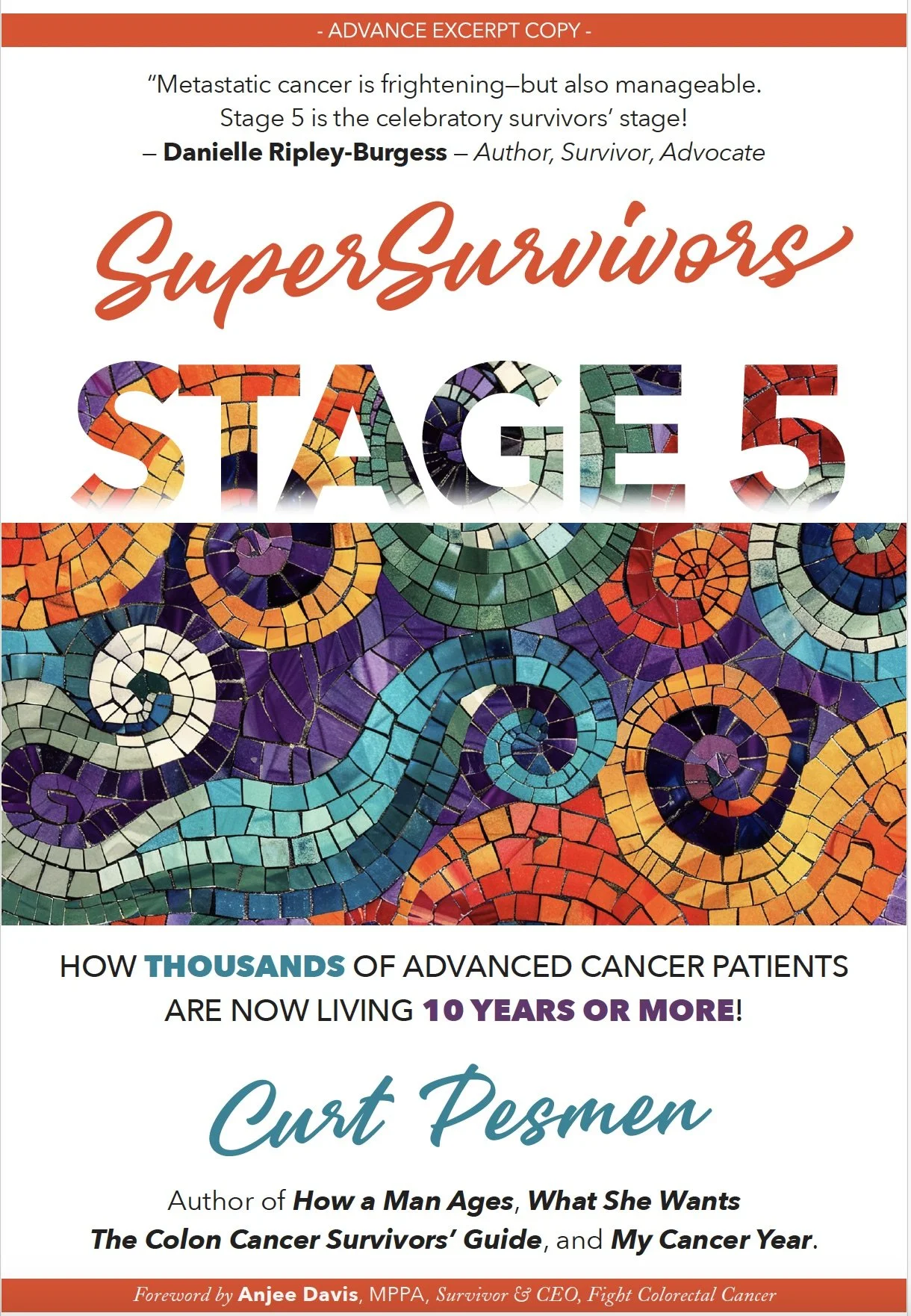
SuperSurvivors: Stage 5
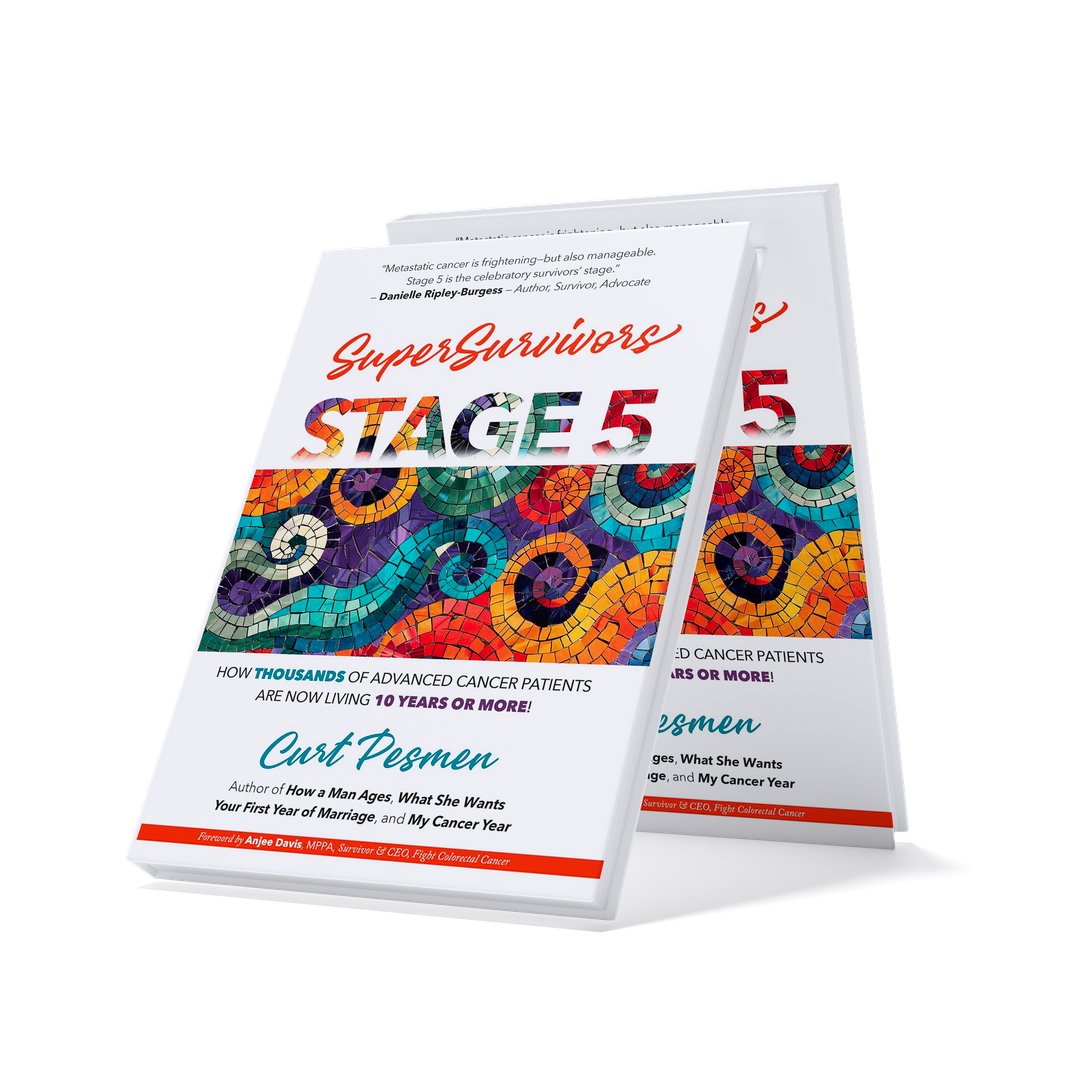
Coming August 2026
Welcome to Stage 5.
The only stage of cancer you’d ever hope to reach.
How thousands of patients with advanced cancer are now living 10 years and more. The survivorship secrets even doctors don't always have time to share.
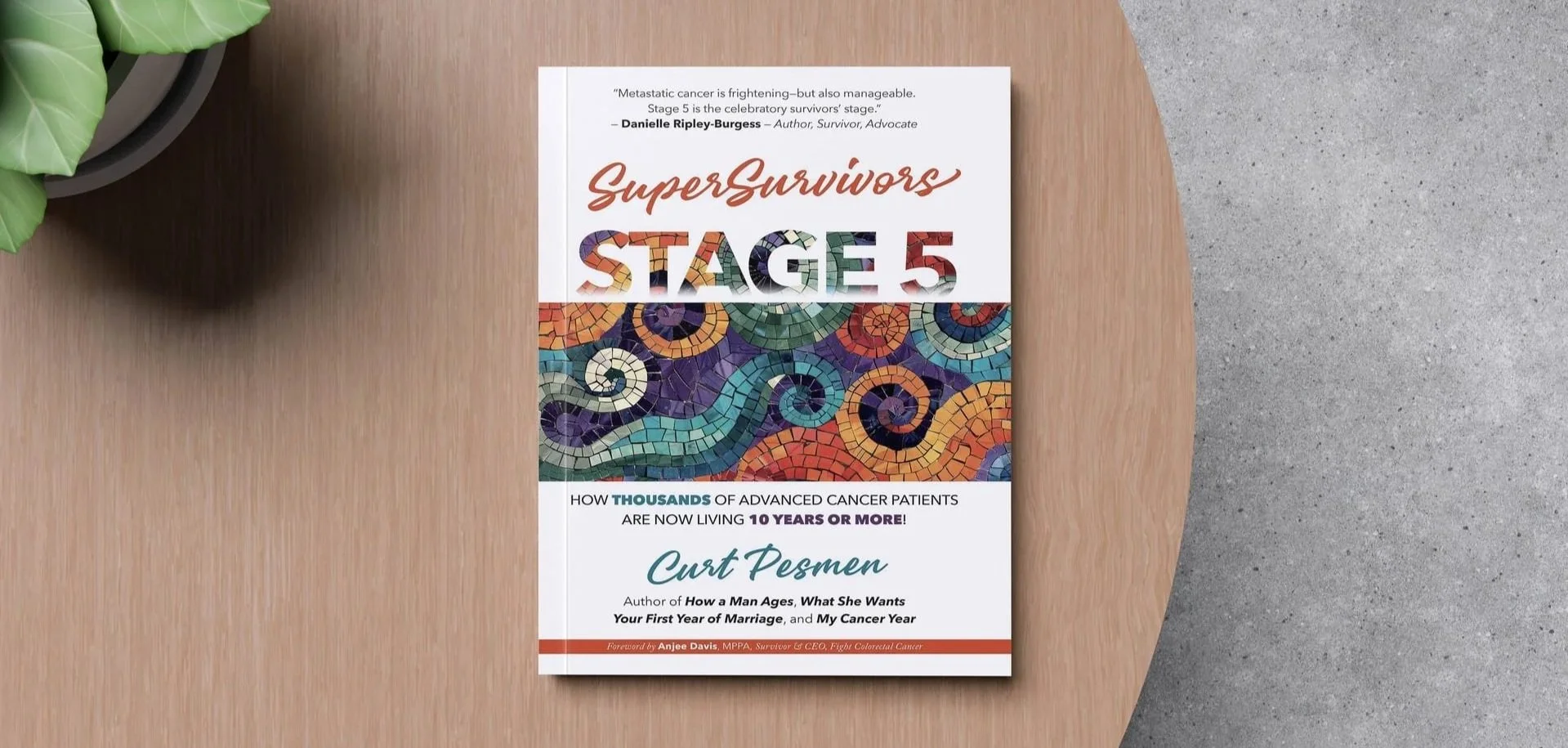
SuperSurvivors: Stage 5 is the life-changing book that may help prolong your life after receiving an advanced cancer diagnosis. The notion of a new “ Stage 5” phase dares to declare: Now is the time for good — no, great — news about serious cancer! What used to be Stage 4 "fatal” now is often "treatable” for years. Oftentimes, for 10 years or more. Welcome to Stage 5. Written by a long-time survivor and fueled by experts, this book shares insider survivorship secrets that even doctors don't always know. With the advent of truly personalized drugs and immunotherapy, the "country" of 18+ million U.S. cancer survivors today deserves a manifesto like SuperSurvivors: Stage 5 — the only stage of cancer you’ d ever hope to reach. For patients and families, the book relates how tens of thousands of survivors now serve as inspiring models of How to Live Now, and for longer, in and on a New Stage.

A Summary of the Fight Colorectal Cancer Working Meeting: Exploring Risk Factors and Etiology of Sporadic Early-Age Onset Colorectal Cancer
BoCo Media collaborated with oncologists, researchers, and patient advocates to report on recent developments of early-onset colorectal cancer in the US and beyond. The resulting Gastroenterology article offers new views of an area of rising concern.
Summer 2019: BoCo Media collaborated with oncologists, researchers, and patient advocates to report on recent developments of early-onset colorectal cancer in the US and beyond. The resulting Gastroenterology article offers new views of an area of rising concern.

Smoke Rings Rising
From inception to publication, BoCo Media helped shape, edit, and market this memoir from an emerging California author.

From inception to publication, BoCo Media helped shape, edit, and market this memoir from an emerging California author.
Learn more and buy the Smoke Rings Rising: Triumph of a Drug-Endangered Daughter on Amazon.com
Quincy
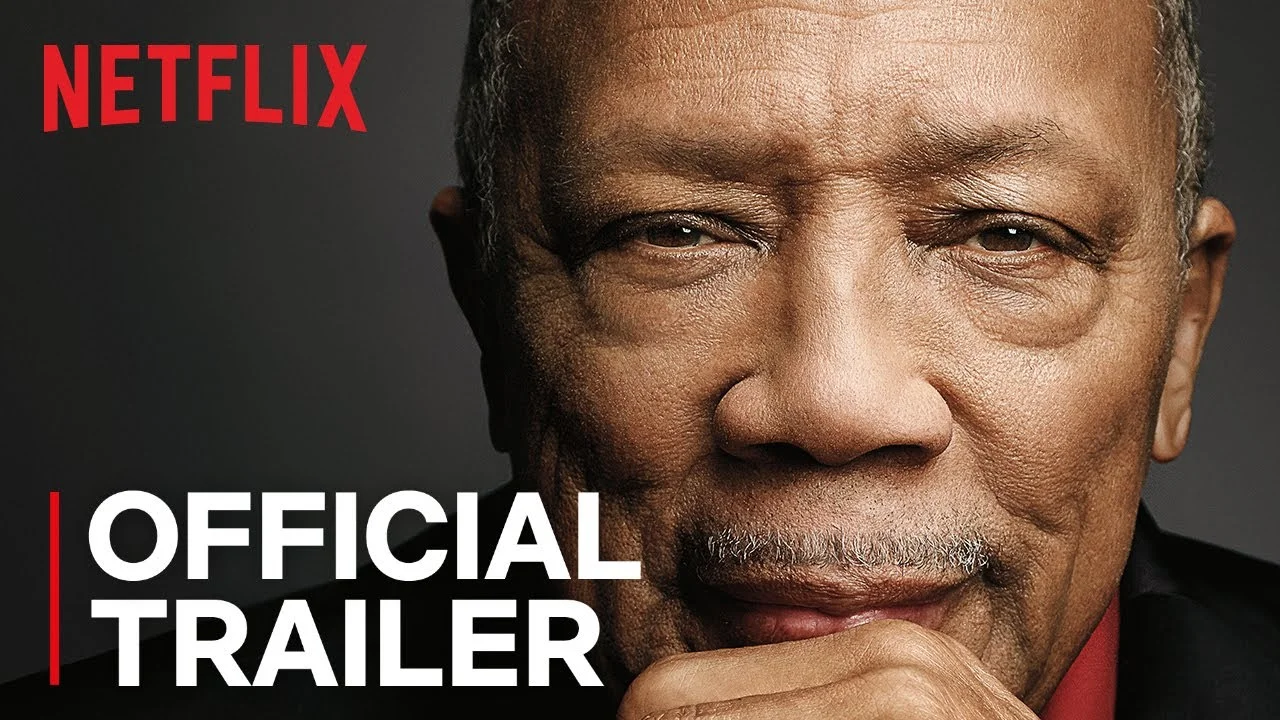
From 20016-2019, BoCo Media partnered with co-directors Al Hicks and Rashida Jones on pre-production, test-screenings, and post-production collateral of this Grammy™ Award winning documentary. (Netflix)
From 20016-2019, BoCo Media partnered with co-directors Al Hicks and Rashida Jones on pre-production, test-screenings, and post-production collateral of this Grammy™ Award winning documentary. (Netflix)
Major Taylor Film

Documentary film in pre-production, (2019) based on the book by Todd Balf.
For a glimpse of author and producer Todd Balf, see this Marshall "Major" Taylor story by Hennessy.
This video is not intended to be seen by persons under the legal alcohol drinking/buying age nor in countries with restrictions on advertising on alcoholic beverages.
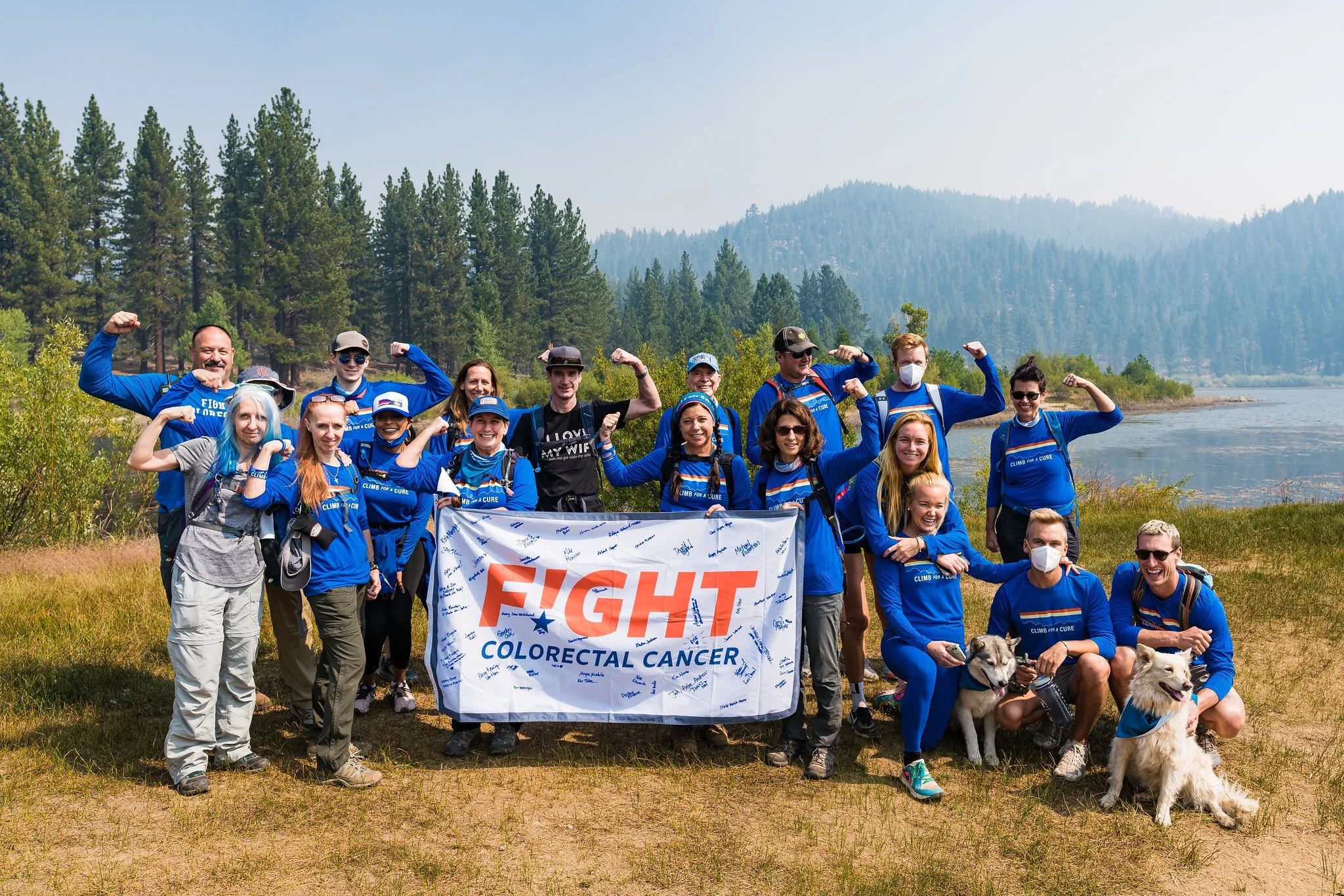
Fight Colorectal Cancer - FIGHTcrc.org
Advocacy writing, speaking, lobbying
As a member of the Research Training Advocacy and Service group, I have worked with oncologists and public health scientists on patients' behalf in translating discovery into action.

2015 AACR Scientist↔Survivor Program
BoCo Media's Curt Pesmen was invited to join the 2015 Scientist↔Survivor Program at the American Association for Cancer Research conference in Philadelphia, PA.

BoCo Media's Curt Pesmen was invited to join the 2015 Scientist↔Survivor Program at the American Association for Cancer Research conference in Philadelphia, PA.

Participants in the 2015 SSP during the AACR Annual Meeting 2015 pose for a group photo.




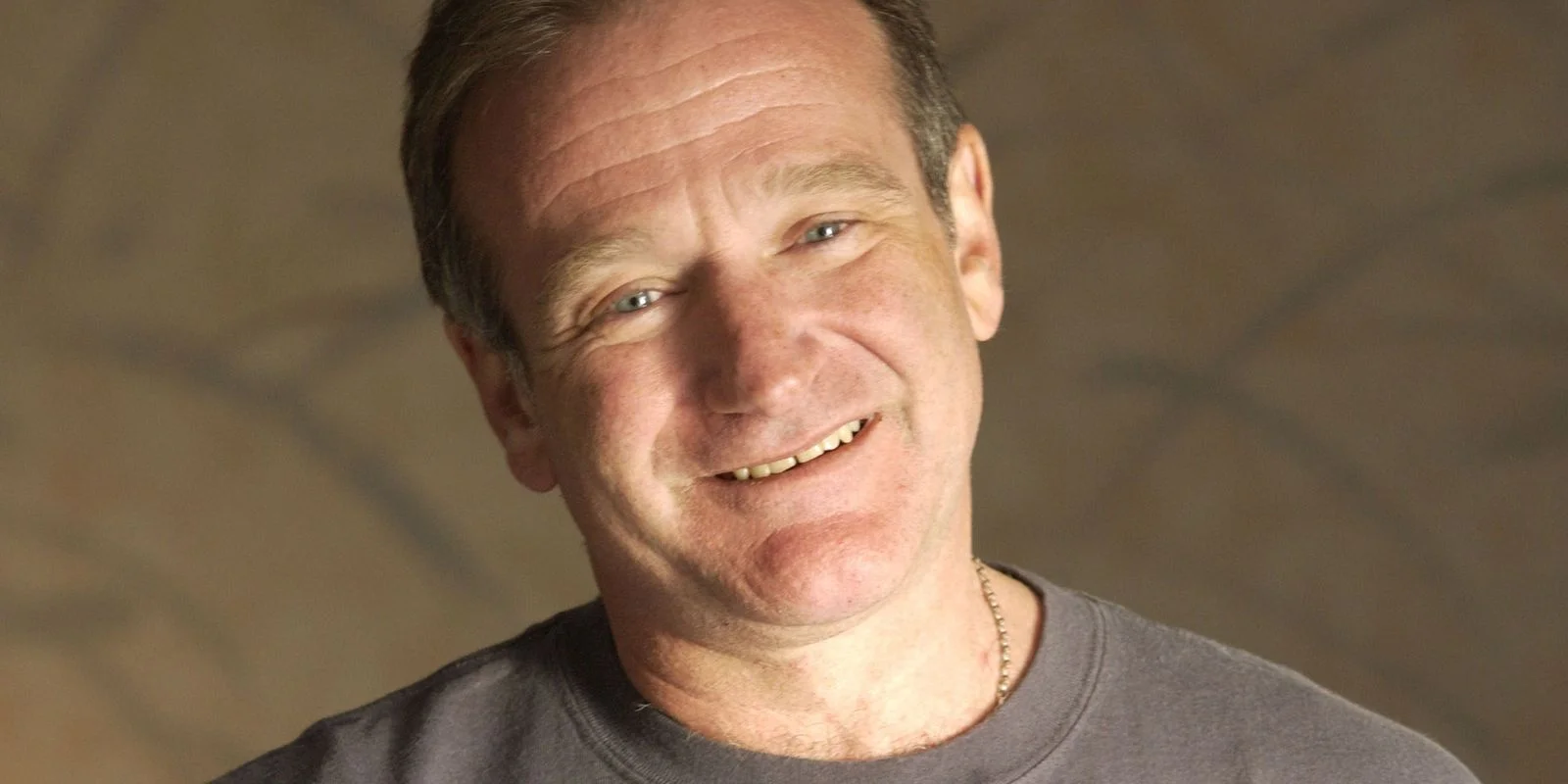
How Robin Williams Helped My Fight Against Cancer
His quiet side, and his dick jokes, made life worth living.
Originally published in Esquire in August 2014
Though we all think we "knew" him from his work, the truth is there's so much we don't know about Robin Williams' life and why he died. One thing we know: They don't hand out Academy Awards(R) for dick jokes.
Celebrated, loved, and praised for so much of his life for being "manic," it maybe hurts more now for his friends and fans to think about how deeply, how painfully, he must have fought the darkness of depression. And to think now: He won his Oscar pretending to be a shrink called upon to help a gifted young man with a manic streak who couldn't shake the depressive.
My wife, Paula, and Robin's former wife, Marsha, met on the set of Mrs. Doubtfire in 1993 and have been friends for more than 20 years. As two of the few female producers on that film, they bonded early on during some of the quieter moments of production.
While it might be a stretch to say that Robin and Marsha Williams saved my life, it's no stretch to say that nearly 14 years ago, on a day that I got my shock diagnosis, Marsha and Robin and their friend and neighbor Chris Columbus helped convince me to move my newly-christened, Stage 3-advanced, colorectal cancer ass 1,250 miles from Colorado to San Francisco—in hopes of my receiving the best treatment I could possibly find.
It was not a roll-the-dice move. It turned out to be a reasoned decision made after the din died down that had more than a random Hollywood connection at its core.
At the time, Paula was working as an associate producer with Columbus on the first Harry Potterfilm. But we all had spent months together in the 1990s during the making of Doubtfire and Nine Months and Bicentennial Man in San Francisco. It was there, not in L.A., where Chris and Robin had both chosen to live—and it was there where they and Paula had held a number of film fundraisers and gotten to know some key people at the University of California-San Francisco, a top cancer hospital in the country.
UCSF was where I got my fourth and fifth opinions related to my cancer case. It is also no stretch to say it's where I met a few other people who wore white coats and who did save my life.
On and off through the 1990s, I shared dozens of dinners with Robin and Marsha, many of them on movie sets. Marsha's voice was always quiet, warm, and inviting; and still is. Back then, I was struck not by how loud Robin was in social situations, but how quiet and reflective he was at the dinner table. I remember being surprised by his deference to others in the room. That is, up to a point.... Time and again, sometimes an hour or two into the evening, he eventually would rise up and take over the room, launching into an improvisational sketch or two—or four.
That's the Robin Williams we all knew. Or thought we did. The quieter man was the one who visited his friend and Juilliard classmate, actor Christopher Reeve, immediately in the hospital in 1995 after the debilitating accident that made Reeve a quadriplegic; and who, along with Marsha, helped Reeve's wife, Dana, through the worst medical times of her own, including the lung cancer that took Dana's life in 2006 at age 44.
Then again, one day between takes on the set of Nine Months, while Hugh Grant was rather busy grabbing the headlines, I witnessed Robin talking on set with a brain-injured teenage girl in a wheelchair, who was working as an extra that day on a wedding scene. There was that soft, tide-pool voice again, softer than you ever heard on Leno or Letterman or on the umpteen years of Comic Relief. It wasn't a scripted moment. And he didn't just make a bit player's day. He made her year. I remember stepping back, moving out of the huddle, feeling I didn't want to intrude on their space.
From then, six years later and 45 pounds weaker, I found myself back in San Francisco, flat on a couch, a post-surgery cancer sad-sack survivor, moaning my way through recovery, wondering which goddam Ensure smoothie was gonna be the highlight of my day.... when Paula tells me Marsha and Robin are coming to visit after lunch.
Half a smoothie later, I make the mistake of telling Robin that the doctors who operated on my colon told me they had done a type of experimental surgery on my body. Turns out they used a 'nerve-sparing' wand—usually used for prostate, not colon, cancer operations—when they cut through and around my perineum to get some cancer out. And it's no stretch to say the perineum, sited perilously close to the prostate, is also the site of many bundles of nerves—nerves that transmit significant sexual pleasure and all sorts of get-up-and-go that helps forms erections. The docs were doing me One Big Favor.
When Robin heard that, he could sit quietly no longer. He bolted upright from the couch next to Paula and me and immediately—autonomically—placed his right elbow above his crotch, formed a tight tumescent fist, and started waving his wand back-and-forth, wildly to and fro, as if the surgeons had hit the wrong nerves, sending a spasmodic organ into erectile function disorder, one that was now leading a whole body around, one that wouldn't ever never quit.
Until, that is, Robin swerved around the glass coffee table, pulled a deft 180, and sat down swiftly.
I was howling and hurting by now. Trying not to laugh in the way you can't stop a sneeze that's passed its trigger point. But the truth is, I was also a bit scared: wondering whether the 42 metal staples holding my lower torso together would hold. I hadn't laughed this hard in months.
Then Robin became quiet again, as Paula and Marsha took back the floor, as I settled into my supine sprawl on the couch opposite the big screen TV that played ESPN for me eight-to-10 hours a day. That is, that was, until Comic Relief (home delivery edition) paid a little visit to my bedside.
Wouldn't it be something if Robin did have a hand—a full-length, out-of-control, arm erection parading around a cancer patient hand—in saving my life. Thing is, he sure made it worth living for a while.

Keep On Keepin' On
Working with first time filmmakers on the one hand, and with 27-time Grammy winner Quincy Jones and jazz legend Clark Terry on the other, we helped move a documentary from concept to film festivals to the documentary feature shortlist for Academy Award contention in winter 2015.
As Associate Producer on this award-winning feature documentary, BoCo Media worked with director Al Hicks and Executive Producer Adam Hart to prep the initial investor and marketing documents as well as filmmaker bios and story edits during production of the film.

My Cancer Year
Working with director Aly Nicklas (Knee Deep), we distilled 175 pages of "family medical memoir" to 2:58 minutes, to create this trailer for my latest book (2014).
Working with director Aly Nicklas (Knee Deep), we distilled 175 pages of "family medical memoir" to 2:58 minutes, to create a trailer for my latest book (2014).

Survivorship Memoir: My Cancer Year
A guide for the fast-growing group of survivors.

In MY CANCER YEAR, Curtis Pesmen, a veteran health journalist and book author, chronicles his successful fight with advanced colon cancer in a brutally honest and illuminating memoir. Through this moving account--which takes the reader through his initial shock of diagnosis, through treatment, experimental surgery and finally recovery--Pesmen's insights and experiences cast light on how to manage the challenges of cancer people don't like to talk about. This intimate memoir of a successful fight helps the fast-growing group of survivors--as well as family and friends--put cancer in its place while moving forward with the power of new knowledge.

Chasing Ice

Chasing Ice follows National Geographic photographer James Balog across the Arctic as he deploys time-lapse cameras designed for one purpose: to capture a multi-year record of the world's changing glaciers.
Curt Pesmen and BoCo Media worked with the post-production team on video and interviews during marketing of the film—and the Movement.
Director: Jeff Orlowski
Writer: Mark Monroe
Your Prostate Cancer Survivors' Guide: Living Stronger, Longer

Written to help men manage the challenges of survivorship of this devastating but beatable disease. With a chorus of survivors' voices -- and the insights of their doctors, nurses and others on their support team - veteran authors and health journalists Bob Condor (nominated for two Pulitzer Prizes in health journalism) and Curtis Pesmen (Esquire writer and Money magazine health columnist) pinpoint exactly what it means to be a prostate cancer survivor today - and for decades to come. Ultimately, this book will help patients PUT PROSTATE CANCER IN ITS PLACE while moving forward with the power of new knowledge.